

This lima bean recipe combines plain frozen baby lima beans with onion, garlic, thyme and smoked paprika in a gently creamy, golden savory broth. It is a Southern-inspired stovetop side made without ham, bacon or heavy cream. Tender, distinctly shaped beans and a little natural starch make the bowl satisfying while keeping it easy to pair with family dinners.
The recipe uses two 12-ounce bags of frozen baby limas and four cups of low-sodium vegetable broth for six generous side servings. The cooking time is an estimate, because frozen bean brands and sizes vary. Always bring the pot back to a boil, then simmer until the beans are thoroughly tender instead of relying only on the clock.
Below are measured ingredients, steps, dry-bean safety distinctions, broth fixes, make-ahead guidance and helpful sources. This is an original editorial formulation, not a claim that MySavorista physically cooked, tested or photographed the dish. Image generation and visual quality checks are handled separately.
Why this Southern-style lima bean recipe works
This lima bean recipe is a practical stovetop pot of tender baby lima beans in a gently smoky garlic-and-onion broth. Using frozen beans gives home cooks a convenient choice with a more predictable starting point than dry beans, while keeping lima beans—not sausage, tomato sauce or a thick casserole—as the central flavor. A short finish with lemon brightens the savory base instead of turning it acidic.
The recipe is inspired by Southern American bean-pot cooking rather than presented as the single traditional formula. Some Southern home recipes depend on ham hocks, smoked turkey or long-simmered dried butter beans. This version uses measured smoked paprika, fresh thyme, a bay leaf and vegetable broth for a meatless variation with a recognizable hearty, spoonable character.
What lima beans taste like
Baby lima beans have a mild, slightly sweet and nutty flavor with a creamy center once fully cooked. That understated flavor is why they benefit from a careful aromatic base: onion, garlic, thyme and a little fat make the broth taste complete without covering up the bean. Properly cooked beans should be tender, not chalky, squeaky or crunchy at the middle.
Lima beans are also called butter beans, although food labels vary by region and variety. Larger butter beans may have a different size, color and cooking time, and this precise recipe was designed with frozen baby lima beans. If the bag in your freezer says baby limas, check its cooking instructions and adjust the final simmer to the actual tenderness of those beans.
Ingredients for six generous side portions
Start with two 12-ounce bags of frozen baby lima beans, for 24 ounces total. Use two tablespoons olive oil, one large yellow onion diced small, four garlic cloves minced, four cups low-sodium vegetable broth, one teaspoon smoked sweet paprika, half a teaspoon dried thyme or two fresh thyme sprigs, one bay leaf, half a teaspoon kosher salt as an initial amount, and freshly ground black pepper.
Finish with one to two teaspoons fresh lemon juice, added only after the beans are tender, and a tablespoon of chopped parsley if desired. Keep half a cup of additional water or broth nearby to maintain a gently spoonable texture. There is no butter, heavy cream, pork or flour in the base recipe, even though the finished beans can become naturally creamy when a small portion is mashed.
Fresh, frozen and dried lima beans are different
Frozen baby lima beans are often blanched as part of commercial processing, but they still need cooking according to the package and until hot and tender throughout. A bag labeled precooked should be treated according to its actual instructions; do not assume all frozen lima beans are ready to eat after a quick warm-up. For consistency this recipe begins with uncooked frozen baby lima beans.
Dried limas need a different procedure: sorting, soaking and a longer full cooking stage. Purdue Extension explains the basic differences between fresh or frozen and dry lima beans. The University of Maine Extension also describes larger dried lima beans as taking substantially longer than quick-cooking vegetables. Do not pour unsoaked dry beans into this frozen-bean recipe and use its time on the clock. Purdue Extension lima bean guide provides additional preparation context.
Shopping for a suitable freezer bag
Look for plain baby lima beans with a simple ingredient list, rather than frozen beans packed in butter sauce or a seasoned casserole mixture. Plain beans give you control over salt, fat and texture. Two 12-ounce bags yield the quantity used in this recipe, but stores may sell 16-ounce bags; weigh or measure to approximately 24 ounces instead of guessing based on how full the package looks.
Color can range from pale green to cream depending on the variety and processing. That variation is normal and does not mean the dish needs a green food coloring or another vegetable. Choose intact frozen packaging and take it home promptly; once thawed in a refrigerator, cook according to the package, rather than leaving the beans on a warm counter.
Aromatic base: onion before garlic
Heat the olive oil in a medium Dutch oven or heavy saucepan over medium heat. Add the diced onion with a pinch of the measured salt, then stir for about five to seven minutes until softened and lightly translucent. The onion should smell sweet and savory but not dark brown. A slow start builds flavor without needing bacon grease or a large amount of seasoning.
Add minced garlic only after the onion has softened, then stir for about thirty seconds. Garlic browns more quickly than onion and can become bitter if cooked alone for too long. Scrape around the base of the pot as you stir and lower the heat if tiny garlic pieces start turning dark. An even aromatic foundation helps the limas taste well-seasoned from the first spoonful.
Smoked paprika without a smoky meat substitute
Stir one teaspoon of smoked sweet paprika into the warm oil for roughly fifteen seconds, just long enough to bloom its aroma. If your smoked paprika is especially strong, begin with three-quarters of a teaspoon and reserve the rest for the final adjustment. Smoked paprika supplies a gentle barbecue-adjacent note but should not make the soup bright red or taste like chili.
Do not replace it with a large amount of hot chili powder and still expect the same flavor. A little pepper is welcome, but the goal is a Southern-style lima bean side, not a spicy bean chili. The broth should look pale golden with a modest warm tint from the spice and flecks of softened onion and herbs.
Adding frozen beans without thawing
Pour the frozen baby lima beans into the warm pot with the onion and garlic. They can go in straight from the freezer if the package allows stovetop cooking from frozen. Add four cups vegetable broth, the thyme and bay leaf, then stir carefully so the beans are surrounded by liquid. At first the frozen beans will lower the temperature and temporarily stop any simmer.
Bring the entire pot back to a real boil over medium-high heat, then reduce the heat to a steady gentle simmer. That initial boiling phase and a complete final cooking stage help ensure the beans are thoroughly prepared rather than merely warmed on the surface. Keep the lid partially on, leaving room for a little evaporation.
How long to simmer frozen lima beans
Use twenty-five to thirty-five minutes of gentle simmering after the pot reaches a boil as an initial planning range, not a guarantee. The exact time depends on bean size, freezing process, pot shape and the product’s own directions. Stir occasionally, especially in the final minutes, and add a splash of warm broth or water if beans begin protruding too far above the liquid.
Begin tasting one bean at around twenty minutes, after it has been cooked thoroughly and is no longer frozen in the center. It should be soft enough to flatten easily with a fork and should not leave a floury or crunchy core. If your package gives a longer safe cooking time, follow it, and continue until the largest beans are tender all the way through.
The difference between a simmer and a hard boil
Once the pot has returned to a boil and the frozen beans have begun heating through, lower the burner so small bubbles rise steadily without violently tossing the beans. A vigorous rolling boil for the entire cooking period can break delicate baby limas apart while reducing the broth too quickly. That may produce bean mash rather than spoonable whole beans.
A simmer is not an excuse to undercook the legumes: beans must be properly cooked and fully tender, as directed by the manufacturer. If the center remains firm, continue cooking and maintain enough liquid. This recipe is meant for a stovetop where temperature is observable and can be adjusted, not for dumping raw dry beans into an unattended slow cooker.
How to season without making beans salty
Low-sodium vegetable broth and an initial half teaspoon of kosher salt leave room for different packaged bean and broth sodium levels. Taste after the limas are tender because evaporation can make the pot saltier than it seems at the beginning. If you add additional broth, check its salt content before reaching automatically for more seasoning.
Smoked paprika, thyme and garlic contribute savory depth without relying entirely on salt. If the broth tastes dull at the end, try a teaspoon of lemon juice and a few turns of black pepper first. A little acid can wake up the bean flavor, but adding a large amount of lemon or vinegar early may slow softening and overwhelm the mild lima taste.
A creamy broth without heavy cream
When the beans are completely tender, use a large spoon to remove about half a cup of beans and a little cooking liquid. Mash them against the side of a small bowl with a fork, then return that mixture to the pot. The broken beans naturally thicken the broth while keeping most of the lima beans whole and recognizable in every serving.
Let the pot simmer uncovered for three to five more minutes so the mashed portion spreads evenly. There is no need to add flour, cheese or milk. Stop before the entire pot becomes a paste; the finished texture should be a lightly creamy, broth-rich bean dish, with individual pale green or ivory baby limas visible.
How thick should the finished pot look?
The ideal consistency lies between a thin vegetable soup and very thick baked beans. A spoonful should contain beans and some savory golden broth rather than dry legumes stuck together. In the pot you should see a little free liquid surrounding the beans. It is perfectly fine for the broth to look slightly cloudy from natural bean starch.
If the mixture becomes too thick, stir in additional warm broth or water by the quarter cup. If it looks too watery, uncover the saucepan for a few minutes or mash a small extra spoonful of beans, always after they are fully cooked. Avoid using an immersion blender on the whole pot unless you intend to make a completely different pureed soup.
A gentle finish with lemon and parsley
Turn off the heat and remove the bay leaf and any woody thyme stems. Add one teaspoon fresh lemon juice, stir, then taste. A second teaspoon is optional and should be used only if you want a brighter finish. Fresh lemon juice should not be the dominant flavor; it is there to balance the sweet onion, smoky seasoning and naturally starchy broth.
A small sprinkle of chopped parsley can add color, but skip it if you do not have any. Do not scatter sliced jalapeños, cheddar, bacon or a tower of cilantro over the bowl in the photograph unless those ingredients are really part of the recipe. A truthful image of creamy baby lima beans in a pale savory broth is more useful than an exaggerated garnish.
Serving lima beans with Southern comfort food
Serve the beans warm in shallow bowls as a hearty side or with cornbread for soaking up the broth. They also work next to simply roasted chicken, skillet pork or a fresh slaw. For a meatless meal, add a plate of rice or warm bread and a crisp vegetable side; the beans provide a comforting base without an additional protein cooked in the pot.
Our Southern dirty cabbage skillet is a bolder meat-based dish to serve separately for a larger meal. Keep the bean recipe itself vegetarian as written; mixing sausage into the saucepan would change both seasoning and the promised photo anatomy. The difference matters for ingredient transparency.
Pairings from the MySavorista kitchen
For a simple weeknight spread, try a plate of lemon garlic oven-roasted chicken with a scoop of these limas. The chicken has its own roasting technique and seasoning, while the bean pot stays on the stove and finishes independently. The two preparations do not need to be mixed to taste satisfying together.
If you prefer something lighter and bright, add our fresh tomato salsa with lime and cilantro in a separate small bowl. Do not stir the raw salsa into the lima beans while cooking: the extra acid changes the balance and can obscure the mild bean flavor. The pairing is optional, not a hidden ingredient.
When to use baby limas versus large butter beans
Baby lima beans are comparatively small and usually become uniformly tender sooner than big dried butter beans. Larger limas can produce a rich, buttery texture, but their cooking method and hydration needs are not the same as those of the frozen baby beans used here. For a recipe page with specific times, distinguishing the two protects home cooks from a frustrating hard-bean result.
University of Maine Cooperative Extension notes that large dried lima beans can require about one to one and a half hours after proper preparation, depending on conditions. See its dried-bean cooking guide. That is background information, not permission to substitute dried beans into a frozen-bean saucepan without a fresh set of instructions.
If you only have canned butter beans
Canned butter beans are generally pre-cooked and may be used in a different shortcut version, but they can break apart when simmered as long as frozen beans. Drain and rinse according to the label, then start with less broth and heat only long enough to develop the onion-and-garlic flavors and warm the beans thoroughly. This is an alternative, not the timed method in the Tasty recipe card.
Check the weight listed on the can rather than assuming one can equals one bag of frozen beans. Since canned products vary in sodium and liquid, begin with less salt and taste at the end. Do not represent a can-based variation with the exact same nutrition figures or cooking-time estimate as the frozen-bean recipe.
What to do with dried lima beans
If you choose dried limas, sort out any pebbles or damaged beans and follow safe preparation instructions for that product, including soaking if recommended, draining and cooking in fresh water until completely tender. The USDA and university extension guides describe dry-bean processes that are separate from a quick frozen-vegetable stovetop method.
Avoid cooking raw dried limas just until they look soft on the outside. Proper cooking matters for both palatability and food safety. Oregon State University Extension discusses the naturally occurring cyanogenic compounds in lima beans and the role of appropriate preparation. Read its explanation rather than relying on an untested shortcut. The recipe card below uses frozen beans only.
Why we do not recommend a dry-bean slow-cooker shortcut
An unattended slow cooker does not necessarily provide the same initial boiling step or temperature profile as a stovetop pot. Different legumes have different safety needs, and researchers specifically warn against some raw dry-bean slow-cooker methods. This page therefore does not provide a generic dump-and-go recipe using uncooked dried beans.
Health Canada advises thorough cooking of dry legumes and warns that insufficient heating can leave problematic natural lectins, especially in red kidney beans. Its dry-legume safety guidance is a useful reminder that a time-saving appliance does not replace appropriate bean preparation. Frozen baby limas cooked thoroughly in an actively monitored saucepan are the intended ingredient here.
How to adapt the flavor without changing the recipe
If you want a slightly warmer aroma, try another quarter teaspoon of smoked paprika only after tasting the finished beans. A pinch of cayenne creates heat, while a little extra thyme makes the broth more herbal. Make one small change at a time so the limas remain the main flavor. Adding cumin, chili powder and canned tomatoes together would create another recipe with different cooking behavior.
You can also use a small amount of unsalted butter in place of some olive oil if you are not avoiding dairy, but that changes the allergen profile. The published version uses olive oil and vegetable broth for a meatless, dairy-free ingredient set. Any optional garnish should be identified honestly instead of appearing only in a promotional photograph.
Tips for keeping whole beans intact
Use a heavy-bottomed pot and a gentle simmer once the frozen beans have heated through. Stir by lifting from the bottom with a broad spoon rather than whisking vigorously. Baby limas can split as they become tender, especially if stirred aggressively near the end. Some broken beans are desirable for a creamy broth, but there should still be many intact beans in each serving.
Do not overfill the pot with dry ingredients because crowded beans are harder to stir evenly. Four cups of broth should give the frozen beans room to move in a medium pot, though evaporation will vary. If the contents begin to stick, add a splash of hot liquid promptly and lower the heat instead of scraping burnt fragments into the broth.
A troubleshooting guide for hard lima beans
If a bean remains firm at its center, keep simmering with adequate liquid and test again after five minutes. Package size, variety and handling can affect the necessary time. Do not assume the beans are ready because the liquid has started to thicken or because some skins have split. The largest beans are the best ones to check.
An acidic ingredient added too early can also make some legumes take longer to soften, particularly when working with dried beans. That is why the lemon finish is reserved until the cooking is complete. For this frozen-bean recipe, focus first on steady heat, enough broth and patience rather than adding more spices to compensate for undercooked beans.
Fixing thin or bland broth
If the beans are tender but the broth tastes watery, uncover the pot and simmer for another three to five minutes to concentrate the aromatics. Mash a small spoonful of the beans and return it to the saucepan. Avoid adding raw flour directly: it can form lumps and cover the naturally creamy texture you want.
If the broth tastes bland, check salt gradually, then use black pepper and a teaspoon of lemon juice. Vegetable broths can be surprisingly different in sodium and savory intensity. A light, pale bean broth is not meant to taste like a heavily reduced meat gravy, so resist adding a large bouillon cube without checking the salt already present.
Avoiding an oily finish
Two tablespoons of olive oil for six side servings are enough to soften onion and garlic without leaving an oil slick. Use medium heat rather than a very hot burner, which can scorch the garlic before the onion is ready. An oily layer on the surface usually means more fat was added than the vegetables and broth need.
Since the limas release natural starch, the finished liquid should be lightly velvety with individual beans clearly visible. There is no need to pour heavy cream or melted cheese over the bowl for photographs. If you want a richer side, serve it with separate complementary dishes instead of changing the core bean pot.
Making this dish ahead for dinner
You can cook the limas earlier on the day of serving, then cool them promptly and refrigerate in shallow containers. When reheating, add a small amount of broth or water because the beans continue to absorb liquid as they sit. Warm over medium-low heat, stirring gently, until the whole portion is thoroughly hot.
Food safety depends on the way the food is handled after cooking, not just on the recipe ingredients. Do not leave a deep pot of warm beans on the stove for hours to slowly cool. Divide larger batches, follow the two-hour refrigeration guideline for perishable cooked food and use clean utensils to minimize cross-contamination.
Refrigerating and freezing leftover lima beans
Refrigerate leftovers promptly in covered shallow containers, ideally using them within three to four days when properly stored. For a freezer meal, cool the pot first, then portion beans with enough broth to cover them in suitable containers, leaving a little expansion space. Label containers with the date so they do not disappear at the back of the freezer.
Bean texture may become softer after freezing and thawing, especially if the original pot was already very tender. Thaw in the refrigerator, not on the countertop, and reheat thoroughly. The photo of a fresh finished bowl should not be used to promise that a previously frozen portion will have identical firmness.
How to scale the recipe for four or eight servings
For four side portions, use about 16 ounces of frozen baby limas, one and one-third tablespoons olive oil, two-thirds of an onion, three garlic cloves and roughly two and two-thirds cups broth; adjust seasoning to taste. For eight portions, use 32 ounces of frozen limas, around three tablespoons olive oil, a large onion plus a little extra and about five and one-third cups broth.
Scaling the amount of broth by a simple fraction is a starting estimate, not a substitute for observing the pot. A wider saucepan may evaporate faster, and a crowded vessel can simmer unevenly. Keep enough liquid to surround the beans without drowning the dish. Check tenderness before serving regardless of batch size.
Is this a side dish or a main course?
Six side servings can accompany chicken, cornbread, roasted vegetables or another home-cooked entree. To use the limas as a main, serve a larger portion with rice, fresh greens or bread, and consider whether the meal meets your household’s overall nutrition needs. The recipe does not calculate exact calories or protein because brands and portion sizes vary.
Beans can be satisfying, but there is no reason to overstate health claims or claim a medically tailored result. The page focuses on reliable food preparation and flavor. If someone needs a particular sodium target or allergen-safe product, the broth and packaged beans must be chosen and evaluated for that person’s circumstances.
Common mistakes that change the result
The most frequent problems are undercooking frozen limas, substituting dry beans without changing the cooking method, using strongly salted broth, burning the garlic or adding lemon before the beans are tender. Each has a straightforward fix: follow the correct package method, maintain liquid, taste near the end and keep the acid as a final touch.
Another easy mistake is simmering on extremely high heat until the skins separate and the pot becomes a paste. Bring the frozen beans to a proper boil initially, then reduce to a steady simmer for the remaining time. Most of the finished beans should remain recognizable rather than dissolving completely into the liquid.
A quick timeline for busy weeknights
During the first five to seven minutes, soften the onion in olive oil. Stir in garlic and smoked paprika briefly, then add the beans, broth, thyme and bay leaf. Bring back to a boil; lower to a gentle simmer and begin checking beans near twenty minutes. Once tender, mash a small portion to create body and cook a few minutes more.
At the very end, remove the bay leaf, add just enough lemon to brighten and check the salt. This timeline is designed to make the recipe approachable, not to promise that all frozen limas cook in the same number of minutes. Manufacturer instructions and real tenderness tests take priority.
Why this recipe has no bacon or ham hock
Many Southern lima-bean dishes rely on cured pork or smoked turkey for their savory depth. Those are valid separate preparations, but they are not required for this particular meatless version. Smoked paprika, aromatic onion, garlic and thyme provide a different way to create an inviting broth while leaving beans as the star.
Keeping meat out also makes the finished image easier to interpret: a bowl of whole pale beans in a golden broth should not contain mysterious sausage cubes or bones. If you prepare another variation with smoked turkey or ham, use that version’s ingredient list, food safety instructions and photos instead of presenting it as the same tested recipe.
Editorial sourcing and transparency
University extension guidance informs the discussion of bean handling and different cooking methods, including the published materials from Purdue, Maine and Oregon State. These sources describe ingredients and safety principles; they do not independently validate this exact combination of olive oil, smoked paprika and frozen lima beans. The ratios are original editorial formulation rather than a reproduction of another recipe.
This recipe has not been independently kitchen-tested, tasted or photographed in a physical MySavorista kitchen. Ingredient amounts, total time and yield are informed estimates to be confirmed by real cooking. Any generated food photos are illustrative rather than documentary proof. Follow package instructions and cook the frozen lima beans until fully tender; do not treat a photo as a safety check.
Frequently asked questions about lima beans
Do I have to thaw frozen lima beans first?
Usually not if the package permits cooking directly from frozen. Put them in the pot with broth, bring everything back to a boil and cook thoroughly until the largest beans are tender. Always follow the package directions.
How long do frozen baby lima beans take to cook?
Allow roughly 25–35 minutes after bringing the pot to a boil as a planning range, then adjust based on bean size and the package. Judge by a soft, non-chalky center, not by the clock alone.
Are butter beans and lima beans the same thing?
Butter beans commonly refers to lima beans, especially larger varieties, but product names and sizes vary. The measured recipe here specifically uses plain frozen baby lima beans.
Can I use dried lima beans instead of frozen?
Not as a direct swap. Dried beans require different sorting, soaking and longer cooking procedures. Follow a reliable dry-bean method before adapting the broth and seasonings.
Is this lima bean recipe vegetarian?
Yes, when made with the specified olive oil and low-sodium vegetable broth and plain frozen beans. Read ingredient labels carefully if you need a strict vegetarian or allergen-specific preparation.
Why are my lima beans still hard?
They may need more time, more liquid or a different cooking procedure from the one assumed. Keep cooking and testing the largest beans until completely tender, following the manufacturer’s directions.
How do I make lima beans creamy without dairy?
Mash about half a cup of fully cooked beans with a little broth and stir them back in. Their natural starch lightly thickens the broth while most beans remain intact.
Can I add smoked turkey or ham?
That makes a different variation with different salt, protein, preparation times and food safety checks. The published recipe uses smoked paprika rather than meat and the images must match that ingredient list.
What should I serve with lima beans?
Cornbread, rice, roasted chicken, collard greens or a crunchy slaw can work. The beans are a hearty side; choose other components based on the meal you want to assemble.
How do I store leftover cooked lima beans?
Cool promptly, transfer to shallow covered containers and refrigerate within the standard two-hour limit for perishable cooked foods. Use within three to four days if properly stored, or freeze portions.
Can I make these in a slow cooker?
This recipe is written and checked for a stovetop saucepan using frozen baby limas. Do not use its short time or temperature assumptions to cook raw dried beans in a slow cooker.
Why is lemon added after cooking?
Lemon gives a small bright finish while letting the beans soften before acid is introduced. Add one teaspoon, taste, and use a little more only if needed.
Print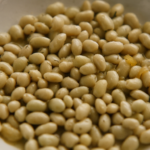
Lima Bean Recipe: Southern-Style Smoky Garlic Beans
- Prep Time: 10 minutes
- Cook Time: 35–50 minutes, depending on frozen bean package and tenderness
- Total Time: 45–60 minutes estimated
- Yield: 6 generous side servings 1x
- Category: Global Flavors & Street Food
- Method: Stovetop simmer
- Cuisine: American, Southern-inspired
Description
Southern-inspired lima bean recipe with tender frozen baby limas, onions, garlic and a lightly smoky, naturally creamy vegetarian broth.
Ingredients
24 oz (two 12-oz bags) plain frozen baby lima beans, not dried
2 tbsp extra-virgin olive oil
1 large yellow onion, finely diced
4 garlic cloves, minced
4 cups low-sodium vegetable broth, plus up to 1/2 cup extra as needed
1 tsp sweet smoked paprika
1/2 tsp dried thyme, or 2 fresh thyme sprigs
1 bay leaf
1/2 tsp kosher salt initially, plus more to taste
1/4 tsp freshly ground black pepper, or to taste
1–2 tsp fresh lemon juice, added at the end
1 tbsp chopped fresh parsley, optional
Instructions
1. In a medium Dutch oven or heavy pot, warm 2 tablespoons olive oil over medium heat. Add the diced onion and a pinch of the measured salt. Stir about 5–7 minutes until softened but not dark brown.
2. Add minced garlic and cook about 30 seconds. Stir in smoked paprika for another 15 seconds, just long enough to become fragrant without scorching.
3. Add 24 ounces plain frozen baby lima beans, four cups low-sodium vegetable broth, thyme and bay leaf. Stir, increase heat and bring the entire pot back to a full boil.
4. Reduce to a steady gentle simmer with the lid partially covering the pot. Cook around 25–35 minutes after boiling as a planning range, following package instructions and stirring occasionally. Add warm broth or water as needed.
5. Test the largest beans: they should be fully tender and soft throughout without a chalky or crunchy center. If not ready, continue simmering in five-minute increments; do not serve undercooked beans.
6. Once fully tender, transfer about half a cup of beans and a spoonful of broth to a small bowl. Mash with a fork and return to the pot; simmer uncovered 3–5 minutes to lightly thicken.
7. Remove the bay leaf and any woody thyme stems. Turn off heat, add one teaspoon lemon juice, taste and adjust salt, pepper and optional additional lemon gradually.
8. Serve warm in bowls, optionally garnished with a small sprinkle of chopped parsley. Cool leftovers promptly and refrigerate in shallow covered containers.
Notes
Use plain frozen baby lima beans, not uncooked dry beans. Package directions and full tenderness take priority over estimated time. No ham, dairy, turkey or cream in this recipe. Vegetarian only with labeled vegetable broth. Original editorial formulation not independently kitchen-tested; images are illustrative if AI-generated. Refrigerate leftovers promptly.
Nutrition
- Serving Size: About 1 cup cooked beans and broth as a side
Keywords: lima bean recipe, southern lima beans, baby butter beans, smoky garlic lima beans