
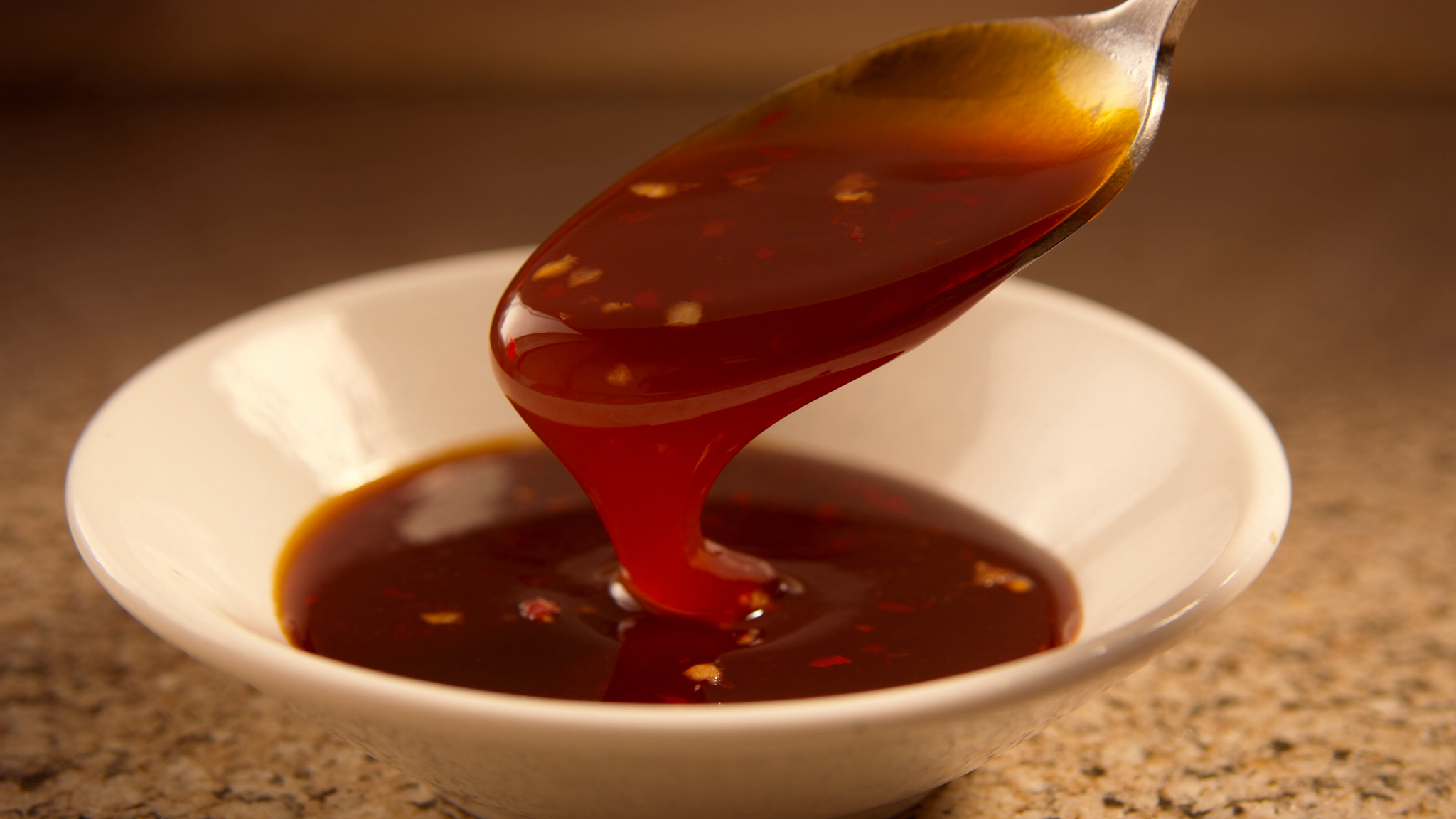
This recipe general tso chicken sauce creates a glossy, sweet-tangy Chinese-American-style glaze using soy sauce, rice vinegar, hoisin, brown sugar, ketchup, ginger and garlic. It is a sauce-only recipe, with no chicken pieces or rice in the ingredient list. Prepare it in a saucepan, thicken with a cold-water cornstarch slurry and pour over separately cooked food. The formulation has not been independently kitchen-tested.
What this General Tso sauce recipe actually makes
Our recipe general tso chicken sauce is a standalone condiment, not a full chicken dinner. It makes a glossy, deep reddish-brown sauce with a savory, sweet and tangy balance using broth, soy sauce, unseasoned rice vinegar, hoisin, ketchup, brown sugar, garlic, ginger, sesame oil and a little dried chili. The finished sauce lightly coats the back of a spoon and flows slowly when poured. A thin cornstarch slurry supplies the body. No chicken meat, broccoli, rice, sesame seeds or garnishes appear in the ingredients or original photos, because those belong to optional separate serving suggestions.
Why a sauce-only recipe is useful
It is convenient to prepare the glaze separately while another dish cooks. You can taste and adjust sweetness or acidity before coating fully cooked chicken, tofu or vegetables. That means the sauce can be prepared in about fifteen minutes without requiring deep frying, raw poultry handling or a wok. Someone seeking the sauce should not be forced to scroll through a lengthy chicken-breading method to find the measured liquid ingredients. The Tasty card therefore contains one saucepan method only. The original photographs will focus on a ceramic or glass dish of sauce, allowing a clear comparison with the listed recipe.
The Chinese-American flavor profile
General Tso’s sauce, as encountered in Chinese-American takeout, is usually glossy, salty-sweet, tangy and mildly spicy. Restaurant versions differ, so it is not accurate to claim that one precise formula is universally authentic. A useful University of Maine Cooperative Extension sauce guide uses the familiar combination of soy, vinegar, hoisin, sweetener and aromatic ingredients. Our formulation uses a separate measured blend with its own cooking sequence and deliberately modest chili heat. It offers a reproducible home starting point without pretending to reconstruct any particular restaurant’s proprietary recipe.
The measured ingredients for one batch
Start with one-half cup reduced-sodium chicken broth, one-quarter cup reduced-sodium soy sauce, three tablespoons unseasoned rice vinegar, three tablespoons packed light brown sugar, two tablespoons hoisin sauce, two tablespoons plain ketchup, one teaspoon toasted sesame oil, one tablespoon neutral cooking oil, three minced garlic cloves, two teaspoons grated fresh ginger, one-quarter teaspoon red pepper flakes, one tablespoon cornstarch and two tablespoons cold water. That quantity yields roughly one to one-and-one-quarter cups, depending on evaporation. No meat is included in the prepared sauce. Read all packaged food labels if you have specific allergy or dietary requirements.
Why reduced-sodium soy sauce is recommended
Soy sauce contributes the dark color and much of the savory saltiness. Using a reduced-sodium product makes the vinegar, brown sugar, ginger and hoisin easier to balance. A regular soy sauce may be significantly saltier, and two bottles labeled reduced sodium can still differ. Measure one-quarter cup instead of pouring by eye. The sauce concentrates slightly as it simmers, so do not add another spoonful of salt before cooking. Standard soy sauce commonly contains soy and wheat; it is not automatically gluten-free, even though the recipe uses cornstarch rather than wheat flour as the thickener.
How chicken broth supports the sauce
One-half cup of reduced-sodium chicken broth provides enough moisture to dissolve the sugar, spread the aromatics and simmer the cornstarch into a glossy glaze. Broth does not mean there are chicken chunks in the sauce or a chicken cooking step. It is an ingredient in the condiment itself. Some brands contain seasoning, added salt or other allergens, so compare labels. A vegetable-broth adaptation can be explored separately for diners avoiding poultry, provided the rest of the product labels are suitable. For the main recipe, keep the exact half-cup of broth and resist adding unnecessary water.
Choosing unseasoned rice vinegar
Unseasoned rice vinegar provides a clean acidic note that offsets brown sugar and hoisin. Seasoned rice vinegar, sold for sushi preparation, may already include added sugar or salt and can make the measured recipe taste different. Use three tablespoons of the unseasoned variety. The finished sauce should have a noticeable tang without tasting like straight vinegar. Apple cider or distilled vinegar can be used in another version, but they have different aromas and strengths. This main recipe does not silently substitute them. Rice vinegar is a liquid seasoning here; the sauce does not contain cooked rice.
Light brown sugar and the glossy finish
Three packed tablespoons of light brown sugar balance the vinegar and salty soy sauce, while adding a subtle molasses note. Sugar also helps the sauce look glossy when heated, but we are not caramelizing it into candy. The glaze must remain fluid enough to pour from a spoon. If a family prefers less sweetness, they can try a separately labeled variation with a smaller sugar amount, understanding that hoisin and ketchup still contain sweetness. The measured card keeps the full three tablespoons. We do not call the recipe sugar-free, low-calorie or suitable for diabetes without independent nutrition analysis.
Why the recipe includes hoisin
Hoisin contributes a thicker savory-sweet base with fermented flavors. Use two level tablespoons and whisk until the dark paste disperses through the broth and soy sauce. Hoisin products can contain soy and wheat, and ingredient lists may vary by brand. The Omnivore’s Cookbook explanation of General Tso sauce is a useful example of how different aromatics, vinegar and savory seasonings form related sauces. We do not claim hoisin is mandatory in every possible version; it is part of our particular home formula. It should blend in completely rather than remain in sticky separate lumps.
The role of two tablespoons of ketchup
Plain ketchup adds a little tomato acidity, body and a reddish tint to the otherwise dark soy-based glaze. It does not make this a tomato pasta sauce. Use a standard variety rather than a ketchup already infused with jalapeño or smoky barbecue seasoning, because those change the final flavor. Whisk the ketchup until the sauce is uniformly reddish-brown rather than streaked bright red. If you omit it, the color and sweet-tangy balance will shift. The photo prompts must show one glossy combined sauce with a few tiny aromatic flecks, not red ketchup spots floating over black soy sauce.
Fresh garlic and ginger are the aromatic base
Three minced garlic cloves and two teaspoons freshly grated ginger make the sauce smell bright and savory. Mince the garlic finely and grate ginger across the fibers to minimize stringy pieces. Warm them gently in neutral oil for about thirty to sixty seconds before adding the sauce mixture. They should become fragrant but not deeply browned. Garlic that burns will add bitterness that sweetener cannot reliably cover. An especially hot pan can scorch these small ingredients quickly, so set out the remaining liquids beforehand. Avoid whole garlic cloves or thick slices that would be visually incongruent in a smooth finished sauce.
A little toasted sesame oil goes a long way
One teaspoon of toasted sesame oil adds a warm nutty aroma. It belongs inside the liquid mixture, not in a separate puddle on top of the bowl. The tablespoon of neutral oil is reserved for warming garlic and ginger; using the same role for both oils makes the flavor less controlled. Sesame is a recognized allergen and must be disclosed even when there are no sesame seeds in the recipe. This is why the original images should not show a garnish of black or white seeds. The completed sauce is an amber-brown glaze with subtle flavor, not a sesame dipping oil.
Using dried red pepper flakes for gentle heat
One-quarter teaspoon red pepper flakes provides a mild warming kick, though heat varies across brands. Add them to the saucepan with the premixed sauce after warming the garlic and ginger. For a less spicy variation, use a smaller amount; for a hotter sauce, increase gradually after tasting a finished sample. Do not add whole dried chili pods unless adapting the recipe and adjusting its stated ingredients. A few tiny red specks are acceptable in a real sauce photograph, but a bowl decorated with large chili peppers would misleadingly imply an ingredient absent from the measured formulation.
Why the cornstarch slurry is mixed separately
Cornstarch is the thickener rather than flour, gelatin or excessive reduction. Mix one tablespoon of cornstarch with two tablespoons of cold water in a small cup until smooth. The white slurry can settle quickly, so stir again immediately before pouring it into the simmering sauce. Dry cornstarch introduced directly to hot liquid may form white lumps. Once the slurry is whisked into the gently bubbling saucepan, the liquid should become smooth and glossy. Adding more starch before allowing the first dose to cook can create a rubbery gel that will not coat food pleasantly.
A simple stovetop setup
A heavy-bottomed small saucepan, two measuring cups, measuring spoons, a whisk, a small slurry bowl and a clean spoon for testing texture are all you need. This is not a wok stir-fry recipe and does not require an oven or a deep fryer. A heavy base helps distribute heat when a sugary mixture begins to thicken. A shallow ceramic or glass sauce dish will be used for serving. Clean the measuring tools and handle any future chicken preparation on separate surfaces. The sauce itself can be made without a raw-meat cutting board, which is another benefit of treating it as its own recipe.
Measure the liquids before heating the pan
Whisk chicken broth, soy sauce, unseasoned rice vinegar, brown sugar, hoisin, ketchup and sesame oil together in a medium bowl. Continue until the sugar mostly dissolves and the ketchup no longer creates separate red streaks. Set the prepared mixture next to the stove with garlic, ginger and chili flakes. Keep cornstarch and cold water aside for the end. This preparation helps prevent scorching when the aromatics begin to heat. Do not place a full sugar spoon directly onto the bottom of an already hot empty pan or allow sweeteners to burn while searching for other ingredients.
Warm garlic and ginger without burning them
Place the saucepan over medium-low heat and add a tablespoon of neutral oil. When the oil is warm, stir in minced garlic and grated ginger for thirty to sixty seconds. The aroma should become noticeable, but the garlic should remain pale or lightly golden. Pull the pot off the heat briefly if it starts to darken too quickly. This short step builds flavor without making crispy garlic chips or fried ginger strips. Use a heat-safe spoon or whisk to keep the pieces moving. Once aromatic, immediately add the premixed liquid so their cooking temperature falls.
Add the soy-vinegar mixture and simmer
Pour the whisked sauce base into the saucepan and add the measured red pepper flakes. Scrape the bowl so all the hoisin and sugar make it into the pot. Warm over medium heat until small bubbles appear around the edge, then maintain a gentle simmer for approximately two minutes. Stir often to prevent sugar from sitting on the bottom. The liquid will darken slightly and smell more rounded as the aromas blend. A hard rolling boil is unnecessary and makes splashing and excessive evaporation more likely. The sauce is still fairly thin at this point because the slurry has not been added.
Whisk the slurry into the simmering sauce
Stir the cold cornstarch slurry again, then pour it in a thin stream while whisking the sauce continuously. You may notice temporary cloudiness; keep stirring as the starch heats and the glaze becomes glossy. This is the stage where the mixture moves from a thin seasoned broth to a clingy sauce. Do not dump cornstarch in dry or whisk so violently that hot liquid splashes over the edge of the saucepan. Maintain moderate heat and observe the changes in viscosity. This process is usually quick and needs attention rather than unattended cooking.
Cook until the sauce coats a spoon
After adding slurry, let the saucepan return to a gentle simmer for about one to two minutes while stirring. Lift a clean spoon: a light coat should remain on the back, with a slow shiny ribbon falling from the edge. If it looks watery, allow a little more simmering. If it sets like jelly, add warm broth one tablespoon at a time until the sauce becomes pourable again. You are looking for a glaze that will cling to cooked chicken, not a very thick dipping paste or a runny broth. The precise time depends on the pan’s width and your burner.
Taste the finished sauce safely
Remove the pot from the heat, let the mixture cool briefly and use a clean spoon to taste it. The first impression should be a rounded sweet-tangy flavor, followed by soy savoriness and gentle garlic, ginger and chili heat. If it is too sour, a small pinch of brown sugar can help; if it seems too sweet, a little unseasoned rice vinegar may make it brighter. Adjust in tiny amounts and note changes if repeating the recipe. The main Tasty formula stays the measured starting point. Do not use a utensil that has touched raw poultry to taste or stir the finished condiment.
The right color and texture for photos
The finished sauce should be a warm, deep amber to reddish-brown glaze with glossy highlights and a few tiny minced-garlic or chili flecks. It should swirl naturally in a small dish, cling to a spoon and pour back as a smooth stream. It should not be bright red like ketchup, nearly black like straight soy sauce, light orange like cheese or stiff like set jelly. We need two independent original photographs of that sauce alone: no plate of chicken, side dish, rice, broccoli or decorative sesame seed topping. A visually accurate image is more useful than a dramatic photograph of a meal that cannot be made from the card.
How to pair it with fully cooked chicken
The glaze may be spooned over chicken that has been prepared separately and cooked safely. The USDA Food Safety and Inspection Service specifies 165°F for poultry measured with a food thermometer. Once the chicken is cooked, toss bite-size pieces in a portion of the warm sauce just before serving. That serving suggestion does not add chicken ingredients or instructions to the sauce-only Tasty card. Never rely on the few minutes of sauce simmering to cook a piece of raw poultry. Keep utensils and boards used for raw meat separate from cooked food.
Why crisp chicken softens after glazing
If this sauce is used to finish already-cooked, crispy chicken, some surface crunch will soften as the glaze sits. Toss shortly before eating to preserve a pleasing contrast. The sauce should coat rather than drown individual pieces. You could also use it with chicken roasted by a different method, as long as the meat is independently safe and cooked through. MySavorista’s lemon-garlic roasted whole chicken has a different flavor profile and its own complete instructions. Do not quietly substitute those directions for General Tso’s chicken in this sauce article.
A different sweet-spicy chicken wing idea
For another family appetizer, the spicy honey-garlic wings offer a separate sweet-spicy flavor and different cooking method. A honey-garlic wing glaze should not be mistaken for this soy-hoisin-vinegar General Tso sauce. Keeping the links between truly different recipes helps visitors choose based on their preferred flavor, rather than padding a page with near-duplicate dishes. If you serve both at a party, use separate bowls and make it clear which contains sesame and soy. The original photos for this recipe still show only the standalone sauce.
Serve vegetables on the side rather than in the bowl
Steamed broccoli or long green beans can be served separately and lightly coated with finished sauce after cooking. The garlic-ginger Chinese long beans recipe is a relevant vegetable option that uses its own heat and ingredients. It is not an ingredient in this sauce. If you want to make a complete meal with rice, vegetables and chicken, prepare those foods by suitable separate methods and combine them at serving time. The sauce yield describes the liquid glaze alone, which prevents confusing the serving size or creating an unrealistic Tasty recipe that omits major meal ingredients.
Why this is not an orange chicken sauce
Orange chicken sauces are commonly identified by citrus fruit flavors, including orange juice or zest. This recipe instead relies on rice vinegar, hoisin and soy sauce for its signature sweet-sour-savory balance. The ketchup gives color but does not turn it into a fruit sauce. The two condiments can both coat cooked chicken, yet they should be named and indexed differently. Do not add orange slices, orange zest or bright orange color to the photographs. Someone seeking a General Tso sauce should see a glossy reddish-brown bowl and a measured blend of the ingredients above, not a citrus-based glaze under a different title.
How to make a hotter variation
Increase the dried red pepper flakes in very small increments after tasting a cooked spoonful. Chili paste can also change the heat level, but many pastes contain added salt, sugar or vinegar and therefore need separate measurements. This primary card deliberately uses a mild quarter teaspoon to suit a broad family audience. A hotter variation should be named accordingly and tested before promising precise results. Whole chilies are absent from the main recipe because they would change how the sauce looks and how diners encounter heat. Avoid making a bowl that appears crowded with whole dried peppers solely for photography.
What to do when the sauce is too salty
The most common cause is using regular soy sauce or a broth with more sodium than expected. A little additional unsalted broth can dilute the taste, though the texture may need another brief simmer. Adding lots of sugar may hide some salt perception without actually reducing sodium, and it can make the glaze unpleasantly sweet. Use reduced-sodium ingredients from the beginning, check the hoisin label and measure accurately. Do not add extra table salt just because an unfamiliar restaurant recipe includes it. Taste only after the mixture is cooked and a small sample has cooled enough to evaluate.
When a batch is too sweet or too tart
When sweetness dominates, a teaspoon of unseasoned rice vinegar can bring the flavor back toward balance. When vinegar is too prominent, a small pinch of sugar may mellow it. Make one adjustment at a time and stir well, because changing both together may obscure what actually fixed the flavor. Different ketchup and hoisin brands already contain different amounts of sugar. The goal is not a universally perfect level of sweetness but a measurable baseline that a home cook can understand. Our own formula is editorial and should not be described as a kitchen-tested guarantee of taste.
If the sauce remains thin
Cornstarch must be mixed thoroughly in cold water and heated to a gentle simmer to thicken properly. If your sauce remains very watery, continue simmering while whisking for another short interval before adding any extra starch. A tiny additional slurry may be used for a separately adjusted batch, but too much makes a gummy gel. Check whether you accidentally added a full extra cup of broth or water. The thickening step is intended to make a small saucepan of glaze, not a broth soup. It should leave a glossy coating on a spoon rather than slide off completely.
If the sauce becomes too thick
If the glaze sits in stiff clumps, gently reheat it with a tablespoon of warm broth at a time, stirring until it flows again. It is usually easier to loosen an overly thick sauce gradually than to add a large amount of liquid and then cook it down. Do not use more oil to correct starch thickness; the oil can separate and leave an unattractive greasy film. The sauce also firms up when refrigerated, so assess its warm consistency before making major changes. A final texture of slowly pouring amber glaze suits both glazing cooked food and the recipe photographs.
Preventing lumps and separated oil
Whisk the hoisin, ketchup and sugars into the other liquids before the pan heats. Mix cornstarch in a separate cold-water cup immediately before adding it. Stir the sauce steadily as it thickens to avoid cooked starch lumps and patches of concentrated sugar on the bottom. The teaspoon of toasted sesame oil should be fully mixed into the liquid, not floating in a separate puddle. If the sauce has tiny garlic pieces, those are intentional and do not require straining. A whisk and modest heat normally produce a smoother mixture than an aggressive rolling boil.
Cooling and refrigerating safely
Move leftover sauce to a clean, shallow container and refrigerate it promptly rather than leaving it in a saucepan on the stove overnight. This recipe contains chicken broth and should be treated as perishable; vinegar and sugar do not make it shelf-stable. For quality, plan on using it within about three to four days if handled safely and kept at an appropriate refrigerator temperature. The FoodSafety.gov cold-storage guidance is a useful reference. Never store sauce that has touched raw chicken as an uncontaminated ready-to-eat condiment.
Reheating to restore the glaze
Reheat the sauce gently in a small saucepan, whisking as it warms. A spoonful of water or broth can help if refrigeration has made the cornstarch layer firm. Avoid high heat that burns the sugar or leaves sticky patches on the bottom. Use clean utensils and heat the portion needed rather than repeatedly warming an entire container, leaving it out, and returning it to the refrigerator. If it has visibly separated, whisk during gentle reheating and assess whether its texture remains acceptable. Do not assume that strong vinegar aroma compensates for unsafe storage or poor handling.
Can the sauce be frozen?
It is possible to try freezing a small portion in a properly cooled and protected container, but cornstarch-thickened sauces can become watery or grainy after thawing. We have not physically tested freeze-and-thaw performance for this formula, so cannot promise the same gloss. Thaw in the refrigerator and reheat gently, whisking to recombine. It may require a tiny addition of liquid or a fresh slurry if the texture has changed considerably. For the most predictable serving experience, make the sauce fresh or refrigerate for short-term use rather than preparing enormous freezer batches without testing.
Scaling the sauce for a gathering
Double the measured liquids, sugar and aromatics for a family gathering, choosing a saucepan large enough to simmer without overflowing. Add a proportionate cornstarch slurry, then assess thickness because a wider pan evaporates liquid differently. For a very small meal, halve everything and use a smaller pan so garlic does not burn against a large hot surface. Do not double the amount of neutral oil in a small pan merely because the total sauce volume increased; the oil must still be adequate to warm the aromatics without leaving a greasy film. Keep consistent measuring tools for repeatable results.
Ingredient labels and allergy awareness
Regular soy sauce and hoisin sauce often contain soy and wheat. Toasted sesame oil contains sesame, and chicken broth may include additional ingredients. The main recipe is therefore not gluten-free or sesame-free. Cornstarch as a thickener does not remove the wheat that may be present in the condiments. If a diner needs substitutions, read every label and develop a clearly marked alternate recipe; a product called tamari may still contain soy and may have different saltiness. This article does not give an allergy certification or assume a home kitchen is free from cross-contact with other foods.
The limits of this editorial recipe
The recipe provides an original measured starting point with a coherent stovetop method. It does not replicate a particular restaurant’s proprietary formula, claim scientific nutritional values, or provide an accurate calorie count without branded ingredient data and actual yield measurement. It also does not claim a guaranteed result in Google Discover. A useful sauce guide should explain exactly how to whisk, simmer, taste, thicken, adjust and store the condiment. Readers may need to adapt to actual vinegar acidity, soy sodium and pan dimensions, so the described visual cues matter as much as the planning times.
Why the two original photographs must match
The featured photograph should show a plain bowl of deep reddish-brown translucent glossy sauce with a spoon pouring back one shiny ribbon. The independent Tasty-card image should show a separate bowl from a different camera angle with the same smooth glaze and tiny garlic or chili flecks. Neither may show cooked chicken, broccoli, rice, noodles, chopped scallions, sesame seeds, extra condiments, branding or text. Sauce-only photos are intentional because the card lists only sauce ingredients. Both original native 2K images require actual downloaded source-byte hashes, visual food-identity review and no-text checks before a safe WordPress release.
Transparent recipe and photography disclosure
This formulation has not been independently kitchen-tested, physically prepared, or tasted by the MySavorista editorial team. Its approximate yield and fifteen-minute timing are estimates that depend on ingredient brands, measuring accuracy and simmer intensity. Any generated images are illustrations of the expected sauce rather than photographs of a documented kitchen test. We do not invent dietary endorsements, calorie totals, precise sodium values or promised search rankings. If readers make variations, they should evaluate the finished flavor, texture and safety rather than assuming a label or photo proves a particular cooking result.
Frequently asked questions about General Tso chicken sauce
What is General Tso chicken sauce made of?
This version uses chicken broth, reduced-sodium soy sauce, unseasoned rice vinegar, brown sugar, hoisin, ketchup, garlic, ginger, toasted sesame oil and a little chili, thickened with cornstarch.
How do you make homemade General Tso sauce?
Whisk the base liquids and seasonings, gently warm minced garlic and grated ginger in neutral oil, simmer the mixture, then whisk in a cold-water cornstarch slurry until glossy.
Does this sauce include chicken pieces?
No. It uses chicken broth for savory depth but contains no chicken meat. Prepare and safely cook chicken separately before adding the finished sauce.
How long does the sauce take?
Allow roughly eight minutes of measuring and seven minutes of warming, simmering and thickening, depending on the saucepan and heat.
How is General Tso sauce thickened?
Mix one tablespoon cornstarch with two tablespoons cold water, whisk it into the simmering sauce and cook briefly until it coats a spoon.
Is General Tso sauce very spicy?
This batch has only a quarter teaspoon of red pepper flakes for mild warmth. You may use less for a gentler variation.
How do I make General Tso sauce less sweet?
In a separately adjusted batch, reduce the brown sugar slightly, recognizing that hoisin and ketchup contribute sweetness too. Small amounts of vinegar can improve balance.
Can regular soy sauce replace reduced sodium?
It can change the salt level substantially. The measured formula recommends reduced-sodium soy and broth to prevent a concentrated salty glaze.
Does the sauce contain sesame?
Yes, this recipe has toasted sesame oil, a sesame allergen. It does not contain sesame-seed garnish.
Is this General Tso sauce gluten-free?
Not necessarily. Standard soy sauce and hoisin frequently contain wheat and soy; consult the actual product labels.
How long does leftover sauce keep in the fridge?
Refrigerate promptly in a clean covered container and plan to use within approximately three to four days for quality, following proper storage guidance.
Can this sauce be used on crispy chicken?
Yes, toss it with chicken cooked separately to at least 165°F on a food thermometer. The sauce-only recipe does not contain or cook meat.
Print
Recipe General Tso Chicken Sauce From Scratch
- Prep Time: 8 minutes, estimate
- Cook Time: 7 minutes, estimate
- Total Time: About 15 minutes
- Yield: Approximately 1 to 1¼ cups, depending on evaporation 1x
- Category: Chicken & Poultry Creations
- Method: Stovetop sauce, gentle simmer and cornstarch-thickened glaze
- Cuisine: Chinese-American-inspired home cooking
Description
Homemade General Tso chicken sauce: a glossy sweet-tangy reddish-brown glaze of soy, rice vinegar, hoisin, brown sugar, ginger and garlic. Sauce only.
Ingredients
½ cup reduced-sodium chicken broth
¼ cup reduced-sodium soy sauce (check soy/wheat allergens)
3 tbsp unseasoned rice vinegar
3 tbsp packed light brown sugar
2 tbsp hoisin sauce (check soy/wheat and other allergens)
2 tbsp plain ketchup
1 tsp toasted sesame oil (sesame allergen)
1 tbsp neutral cooking oil
3 garlic cloves, finely minced
2 tsp fresh ginger, finely grated
¼ tsp red pepper flakes
1 tbsp cornstarch
2 tbsp cold water for the cornstarch slurry
Instructions
1. In a bowl whisk ½ cup reduced-sodium chicken broth, ¼ cup reduced-sodium soy sauce, 3 tbsp unseasoned rice vinegar, 3 tbsp packed light brown sugar, 2 tbsp hoisin sauce, 2 tbsp plain ketchup and 1 tsp toasted sesame oil until smooth.
2. Warm 1 tbsp neutral oil in a small saucepan on medium-low heat. Add 3 minced garlic cloves and 2 tsp grated ginger and stir about 30–60 seconds until aromatic, without browning or burning.
3. Pour the whisked sauce base into the saucepan, add ¼ tsp red pepper flakes, and bring to a gentle simmer over medium heat for about 2 minutes, stirring to dissolve sugar.
4. In a separate cup whisk 1 tbsp cornstarch with 2 tbsp COLD water until smooth, stirring again just before use to avoid settling.
5. While whisking the simmering sauce, pour the cold slurry in a thin stream. Continue to simmer gently and stir for about 1–2 minutes until the sauce turns glossy, reddish-brown and lightly coats the back of a spoon.
6. Remove from heat and allow to cool slightly before tasting with a clean spoon. Adjust using tiny quantities of extra warm broth or rice vinegar if needed. The finished sauce must pour slowly and not set like jelly.
7. Serve as a warm sauce or glaze over food cooked separately. When serving with chicken, first cook poultry to 165°F on a food thermometer. This sauce-only recipe does not cook any chicken pieces.
8. Transfer unused sauce promptly to a clean covered refrigerator container. Reheat gently, stirring and adding a teaspoon of broth if too thick, and never store at room temperature.
Notes
SAUCE ONLY: no chicken meat, rice, broccoli, sesame seed garnish or fried-food components in the measured Tasty recipe or original source photos. Uses chicken broth. Common allergens soy, wheat (soy and hoisin), and sesame (oil). Refrigerate promptly, not shelf-stable. Serve over separately cooked chicken after thermometer verifies 165°F. Editorial recipe not physically kitchen-tested and time/yield estimated; images only illustrative, no invented nutritional data.
Nutrition
- Serving Size: About 2 tablespoons of sauce, separate from any meat or vegetables
Keywords: recipe general tso chicken sauce, homemade general tso sauce, general tso glaze, sweet tangy sauce