
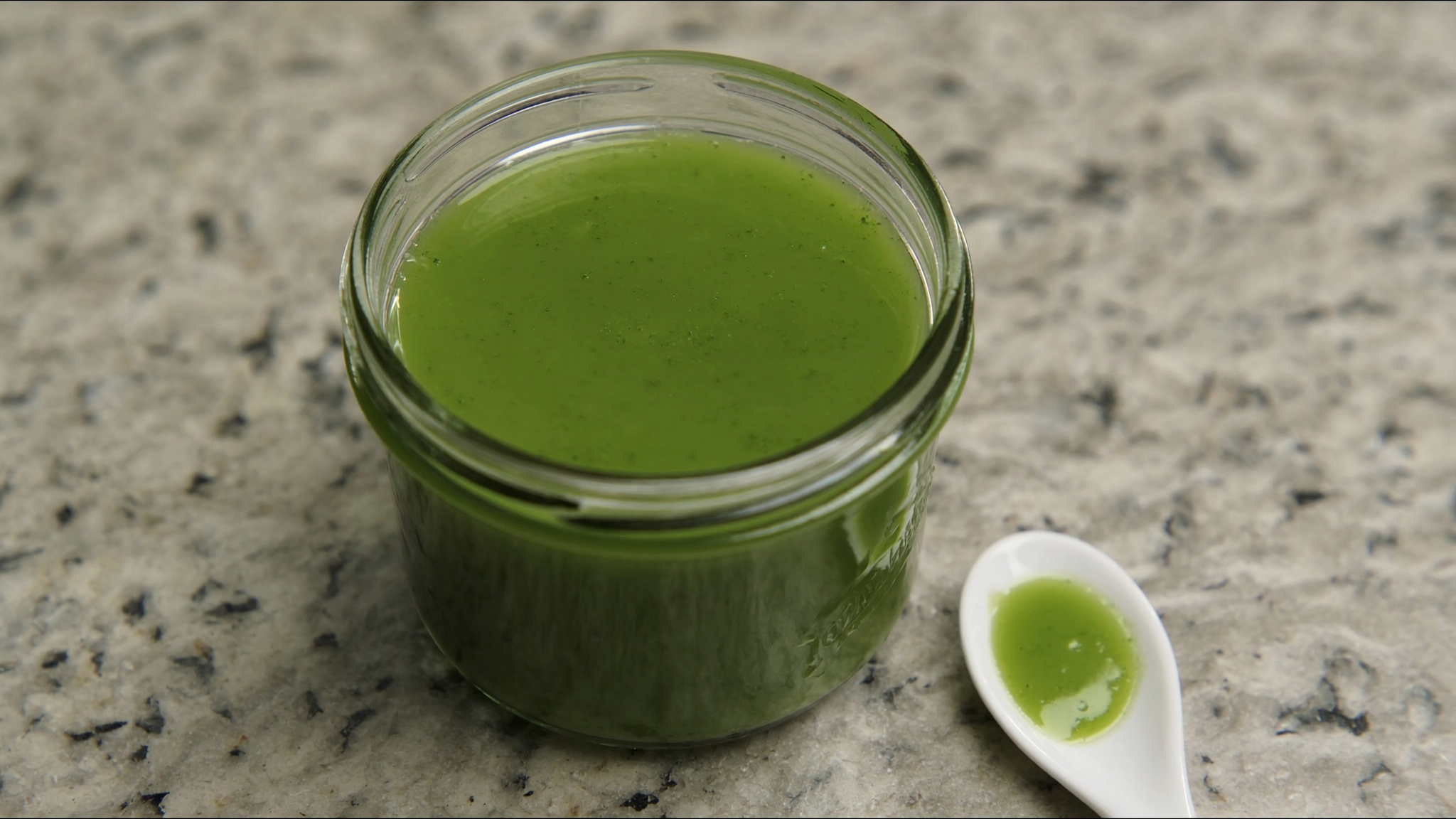
Jalapeno hot sauce recipe made from green jalapeños, white onion, garlic and distilled white vinegar in a small, fresh batch. This pourable green pepper condiment cooks briefly, blends into a tangy sauce and goes straight to the refrigerator. It is not a shelf-stable canning recipe and the editorial preparation has not been independently kitchen-tested. Learn how to handle peppers, adjust heat, blend safely and serve it with savory meals.
Jalapeno hot sauce recipe: the quick answer
This jalapeno hot sauce recipe makes a small batch of tangy, spoonable green chile sauce from fresh jalapeños, onion, garlic, distilled white vinegar, water, salt, and a little sugar. Cut the peppers, briefly simmer them with the other ingredients until tender, let steam subside, then blend cautiously into a smooth but pourable condiment. Transfer the finished sauce to a clean covered jar and refrigerate promptly. This is a refrigerator-only recipe, not a shelf-stable product, fermented sauce, or safe home-canning formula. Because hot sauce color depends on pepper maturity, the finished green may be olive-toned rather than vivid neon green. The preparation described is editorial and has not been physically kitchen-tested.
What this hot sauce tastes like
Jalapeños provide a grassy green-pepper flavor with medium but variable heat. Distilled white vinegar makes the sauce tangy; white onion adds savory sweetness; garlic adds depth; a measured pinch of sugar softens sharp edges without turning the mixture into a sticky glaze. The outcome should be sharper and more fluid than thick salsa verde, with no chunks of tomato or tomatillo. It should also taste different from store-bought aged or fermented hot sauce, which may develop complex sour notes over time. The small ingredient list lets cooks know what flavor to expect and makes it straightforward to use a teaspoon at a time on tacos, eggs, and roasted potatoes.
A recipe that does not pretend to be shelf-stable
A homemade sauce made with fresh peppers, onion, garlic and vinegar is not automatically suitable for pantry storage. This formula has not been laboratory tested for finished acidity, pH, heat penetration, or canning safety. Do not water-bath can it, pressure can it, put it in a pantry bottle, sell it as preserved sauce, or leave it on the counter for weeks. Washington State University Extension’s tested salsa-canning guidance explains why original untested vegetable-and-acid formulas must not be treated as canning instructions. For this original preparation, refrigerate immediately after cooling, use clean utensils and make modest batches that can be eaten promptly.
Which jalapeños to choose
Use about twelve firm, fresh green jalapeños weighing approximately twelve ounces or 340 grams before trimming. Look for peppers without soft, slimy areas or extensive mold; slight natural skin lines and small variations in shape are normal. All-green peppers produce a greener sauce, while red or partly ripened jalapeños can give it a darker, more reddish or brownish shade. This recipe’s photo identity is green, so choose predominantly green fruit. Peppers can differ a great deal in heat even when they look similar. The quantity by weight matters more than the exact count: twelve unusually tiny peppers may yield much less sauce than twelve large ones.
Handle hot peppers without irritating your skin
Capsaicin can remain on skin and transfer to your eyes, nose, or other sensitive areas. Wear food-safe gloves when trimming and removing seeds, especially if you are preparing a larger batch. Wash knives, counters, gloves, and hands thoroughly after handling jalapeños. Do not rub your face while working. A young child should not be allowed to chop hot peppers without appropriate supervision. Pepper fumes can also be irritating to some people when cooking, so use good kitchen ventilation without leaning directly over a steaming pot. The hot sauce can be spicy even when seeds have been removed, because much of a chile’s heat is associated with its inner membranes.
Control heat with the inner ribs, not guesswork
For a mild-to-medium starting version, remove most seeds and pale inner membranes from the peppers before cooking; keep a few of the white ribs if you like a stronger kick. The recipe card therefore tells you to adjust the membrane amount, not to add a mystery quantity of cayenne later. If all twelve peppers are unusually hot, the finished sauce may still be intense. Taste only after the mixture is fully cooked and cooled to a safe sampling temperature, beginning with a drop. Adding a great deal more water would alter both taste and consistency, and more vinegar does not reliably remove the burning sensation. Set expectations about natural pepper variability rather than claiming a precise Scoville value.
Why plain white vinegar is a useful ingredient
Use three-quarters cup of commercial distilled white vinegar labeled five percent acidity. Its clean, sharp taste supports jalapeño flavor without adding the sweetness of balsamic vinegar or the fruitiness of a strongly flavored wine vinegar. This percentage is chosen as a consistent grocery ingredient, not proof that the final sauce is acidified enough for canning. The finished mixture also includes peppers, onion, garlic and water, which change the overall acidity. Do not treat the vinegar amount as a validated preservation ratio. For published food-safety context, Kansas State Research and Extension’s safe salsa resource explains why home-canning acidity and tested formulations must be respected.
Measure water instead of adding it freely
The primary recipe uses one-half cup of water along with the vinegar. Water helps the peppers soften without making the sauce overly sour, and it produces enough liquid for a standard blender to circulate ingredients. A few additional teaspoons might be needed with an unusually thick puree, but adding large unmeasured splashes makes the formula unpredictable. Because this is an unrefrigerated shelf-stability-unverified original recipe, do not use any water addition to infer safety; refrigeration remains required. Start with the stated amount and evaluate pourability only after the cooked vegetables have been blended. The sauce should leave a thin stream on a spoon rather than sit like mashed potatoes or pour like plain water.
White onion provides a mellow savory base
Use half of a medium white onion, roughly eighty grams after peeling, diced into small pieces. White onion offers a familiar savory background that blends with the pepper and garlic. Chopping it evenly helps it soften during the brief simmer, avoiding a raw crunchy bite inside the finished sauce. A large sweet onion would contribute more moisture and sweetness than intended, while red onion could tint the mixture. Both are possible creative variations, but they are not part of this exact recipe. Do not add chopped carrot or large handfuls of cilantro to the source formula: those additions would change the green sauce’s identity and may complicate any untested preservation assumptions.
Use garlic for flavor, never as a preservation claim
Three fresh garlic cloves, peeled and roughly chopped, flavor the small batch. They simmer with the peppers and onion so that the finished sauce does not have large raw garlic fragments. Garlic is an aromatic vegetable, not a disinfectant or a substitute for correct storage. Even though the sauce contains vinegar, it must remain chilled. If the garlic cloves are very large, two may be sufficient for a gentler taste, but the card fixes three moderate cloves to provide a reproducible starting point. Avoid stirring raw garlic into a bottle after blending because the recipe has not been evaluated for such an ingredient change or extended cold-storage life.
A little sugar does not make this a sweet sauce
One level teaspoon of granulated sugar helps round out the vinegar and green-pepper bite. It is intentionally a small amount: the final product should remain tart and savory, not resemble a sweet jalapeño glaze for wings or barbecue. If you are accustomed to very sharp vinegar sauces, you can omit sugar as a flavor variation, but do not expect the exact same balance. A spoonful of honey, maple syrup, or a large volume of fruit juice would produce a different sauce with different water and sugar proportions. Those variations deserve their own instructions and images. The bowl shown in the recipe photograph should remain opaque medium green, not glossy amber.
Salt is for seasoning, not for making sauce safe
Use one teaspoon of kosher salt as an initial guide; different salt brands have different crystal sizes and may require a final adjustment. The quantity here is for flavor, not fermentation, curing, or shelf-stability. This sauce is simmered and refrigerated, not left out to ferment in a jar. Do not attempt to start a spontaneous countertop fermentation by omitting vinegar or sealing peppers in a bottle. A small batch tastes best when vinegar, garlic and salt are in balance, but precise sodium claims cannot be made without weighing the finished yield and measuring the exact commercial ingredients. The user of this recipe should salt cautiously and taste the cooled cooked sauce.
Prep the pepper mixture before using heat
Rinse all peppers under running water and pat them dry. Remove the green stem ends, split peppers lengthwise, and remove most pale inner membranes for the stated heat target. Cut into short pieces that will soften evenly. Dice the onion, peel and chop the garlic, and measure the vinegar, water, salt and sugar into separate containers. Use a stainless-steel or other nonreactive saucepan that is easy to stir and deep enough to prevent splashes. Put a heat-safe blender and clean lidded jar nearby so the hot mixture does not sit unattended after cooking. Do not begin heating the pan until the ingredients and safe hot-liquid blending plan are organized.
Why we simmer before blending
A brief gentle simmer softens pepper skins and onion so they blend into a smoother sauce without requiring added thickeners. It also lets garlic mix with the vinegar mixture instead of staying in harsh raw chunks. This is a flavor-and-texture choice, not a validated sterilization or canning step; simmering does not convert this into shelf-stable sauce. After adding the prepared ingredients to the pan, bring just to a gentle bubble and cook roughly ten to twelve minutes until the onion is translucent and peppers are tender. Time varies with cut size and stove performance. The goal is softened vegetables, not an evaporated paste or browned onions.
Keep a steady simmer instead of a violent boil
An aggressive boil can reduce the liquid before peppers soften and increase the chance of hot acidic splashes. Set the stove to a controlled simmer and stir with a long-handled spoon every few minutes. If the pan reduces rapidly, lower the heat; the liquid should still surround and moisten the vegetables. It is unnecessary to brown or char the peppers because this sauce is built around green jalapeño flavor rather than a smoky roasted profile. A metal spoon or whisk can be used in a suitable stainless-steel pan, but choose utensils recommended for your cookware. Protect your hands and face from steam when lifting a lid.
Blending warm sauce safely
Hot liquids can expand with steam in a sealed blender jar. Allow the cooked pepper mixture to cool until it is no longer producing vigorous steam, follow your blender’s hot-liquid instructions, use small batches and a vented lid when appropriate, and hold the lid with a folded towel away from the vent. Never fill a blender to the top with very hot sauce or clamp down a fully sealed lid against steam pressure. A suitable immersion blender inside a tall heat-safe saucepan can reduce transfers, but the motor head must stay submerged to avoid splashes. Blend until mostly smooth, pausing to inspect texture. Safety takes priority over getting an ultra-smooth sauce in one quick burst.
What the right finished texture looks like
The sauce should be fluid enough to drizzle from a clean spoon while still carrying tiny suspended green flecks from jalapeño skins. It is not a clear green vinegar, and it is not a thick pesto or chunky salsa. Without commercial stabilizers, a little natural separation during storage can occur; shake a tightly closed refrigerated jar gently before serving if the product has been handled safely. If you want a smoother condiment, blend slightly longer after cooling, or pass through a fine-mesh strainer. Straining removes some solids and changes yield, so the card’s expected volume is only an estimate. Never claim a perfectly identical viscosity from every blender and pepper harvest.
Do you need to strain the hot sauce?
No. Leaving small soft pepper and onion particles in the mixture gives the sauce body and reinforces that fresh jalapeños are the main ingredient. A fine-mesh strainer is optional if you prefer a thinner pour that moves easily through a very narrow bottle opening. If using a strainer, press gently with a clean spoon while the mixture is at a safe temperature, and discard or repurpose solids only with suitable food-safety handling. The final image concept uses a small glass jar and ceramic spoon rather than a specialty squeeze bottle, so a little fine texture is appropriate. Do not represent the recipe as clarified, filtered vinegar if the actual instructions keep the solids.
Choose a small, clean refrigerator jar
Transfer cooled sauce into a clean food-safe glass jar with a secure lid, using a clean funnel if necessary. An ordinary jar is appropriate; you are not sealing it as a shelf-stable preserve. Leave a little headspace to prevent overflow when closing, label the date if helpful, and place it in the refrigerator. Do not hot-fill and invert a jar to claim a vacuum-sealed canning method. This formula has not been laboratory tested, and the jar is simply a clean storage vessel. A short clear glass container shows the olive-green sauce and fine flecks naturally, without invented commercial branding or printed labels that could distract from the recipe.
Chill promptly and treat the sauce as perishable
The peppers, onion and garlic are fresh vegetables, so the blended finished sauce should be refrigerated at 40°F (4°C) or below as soon as it has cooled enough for safe handling. Avoid leaving a full jar overnight on the counter to cool. General CDC food-safety guidance recommends chilling perishables within two hours, or within one hour if ambient temperature is above 90°F. For this untested original refrigerator sauce, prepare only a small amount and use it promptly; a conservative three-to-four-day refrigerator window is an editorial precaution, not a laboratory-validated shelf life. Discard if storage was unsafe, even if the sauce smells normal.
Fresh hot sauce and fermented hot sauce are different
This recipe is intentionally not fermented. It is heated gently, blended and chilled, with vinegar already present from the start. Fermentation needs controlled salt, microbes, container handling and safety guidance that are not covered by this workflow. A person searching for a tangy green jalapeño sauce to make on a weeknight should not be asked to maintain a pepper ferment for days. Do not leave the covered jar at room temperature hoping for better flavor or more acidity. This is especially important because the sauce contains onion and garlic. Choose a separately tested ferment recipe if that is the method you want, rather than altering storage of this original small-batch condiment.
Why a hot sauce bottle does not prove a shelf life
A clean, capped bottle can look like a retail product while still holding perishable homemade sauce. Packaging shape, vinegar smell and apparent tartness are not evidence that the pH and preservation process have been validated. Homemade sauces differ from commercial products subjected to controlled testing and manufacturing practices. Do not store this jar in a cabinet just because a store-bought hot sauce can stand on a supermarket shelf. If the sauce is intended for sale, shipping, gift hampers without refrigeration, or long-term pantry storage, consult applicable food regulations and use an independently tested commercial or home-preservation procedure. The page’s photo should communicate food identity rather than falsely suggesting a certified shelf-stable product.
Serve it with tacos and savory bites
A teaspoon or two of cooled jalapeño hot sauce can brighten rich foods without turning them into entirely different dishes. The flavor suits tacos, burritos, eggs, roasted potatoes and grilled meats. For an internal MySavorista meal pairing, try it alongside spicy Korean BBQ chicken tacos with slaw, adding a little at a time because that dish is already spicy. A small amount can also accompany our garlic-ginger long beans if you want extra heat. These links are serving ideas, not instructions to blend prepared dishes into the sauce.
A rich potato or bean pairing
The tangy pepper profile offers contrast to creamy or hearty side dishes. For another existing recipe, see Southern-style smoky garlic lima beans and spoon a small amount of sauce on an individual bowl, tasting first. It may also work on breakfast sandwiches or quesadillas. Keep the condiment in its own jar and use a clean serving spoon rather than dipping bitten food directly into storage. If you are photographing the jalapeño sauce by itself for search traffic, show the sauce as its own distinct green condiment, with no tacos or beans obscuring it. An accurate focused hero photograph helps readers recognize what they will make.
How spicy will twelve jalapeños be?
There is no reliable universal heat rating for a batch measured only by pepper count. Jalapeño heat varies by variety, climate, harvest, ripeness and how much pale membrane you retain. With most membranes removed, this recipe aims for a pleasantly hot sauce rather than a sauce designed for extreme-heat challenges. Taste a properly cooked and cooled drop on the end of a clean spoon before using a full tablespoon. If you are sensitive to chiles, begin with less sauce on food rather than assuming the recipe is mild. If a future batch uses serranos, habaneros or ghost peppers, that is a separate recipe with different heat and handling requirements.
How to make the sauce slightly milder
The most reliable preparation change is to remove more pale ribs and membranes before cooking, while keeping the stated jalapeño weight and other ingredients similar. You may also serve only a few drops at a time rather than modifying the entire jar. Do not add an unmeasured cup of water after blending to dilute the heat: the texture and taste change, and refrigeration remains essential regardless. Adding yogurt or mayonnaise at the table could create a separate creamy dip, but those ingredients are not part of this sauce, would introduce allergens, and would require new storage handling. The main photo and Tasty recipe card remain a bright green, dairy-free vinegar-based sauce.
Make a thicker dip or thinner drizzle
Blending length and straining affect texture more subtly than major ingredient changes. If the mixture seems thick while warm, let it cool before deciding: it may loosen slightly during blending as the vegetable particles distribute. For a dip-style version, leave more fine soft solids in the jar, giving an opaque sauce with green speckles. For a very thin drizzle, use a fine-mesh strainer but expect a smaller yield. Do not concentrate by simmering for an extra hour without developing a new recipe, and do not add cornstarch slurry without specifying how it is cooked. The present formula aims for a pourable sauce, not a pudding-thick spread or watery pepper brine.
Why the color may become olive green
Fresh jalapeño flesh begins bright green, but heat and acidic ingredients can shift the chlorophyll color toward olive or muted green. That is a normal visual expectation for a cooked vinegar hot sauce and does not by itself prove spoilage or food safety. The featured image should not show an unnaturally electric neon green condiment; real home cooking may yield a soft grassy green or olive-green bowl. Color can also be influenced by the precise pepper variety and amount of white onion. Avoid adding green food coloring or spinach to force a more vivid appearance. Those extra ingredients are not listed and would make the photo unfaithful.
What makes this different from salsa verde
Salsa verde commonly includes tomatillos and is often chunky enough to scoop with a tortilla chip. This sauce contains no tomatillos, tomatoes or cilantro; its primary ingredients are jalapeños, vinegar and aromatics blended to a drizzleable texture. It also does not need a tortilla-chip serving bowl in the main photograph. Someone seeking a true tomatillo salsa verde should follow that distinct recipe, not substitute its ingredients into this formula. Keeping the distinction explicit is useful for search intent: people typing jalapeno hot sauce recipe expect a green pepper condiment they can spoon or pour over food, not a large chopped vegetable salsa.
This is not an oil-based jalapeño emulsion
Some green sauces rely on a substantial quantity of oil and aggressive blending to turn pale, creamy and opaque. This recipe does not. Its liquid base is commercial white vinegar and water, so it looks like a fresh green pepper puree with visible tiny specks rather than a mayonnaise or creamy jalapeño ranch sauce. No oil is called for in the ingredients, which keeps the visual and ingredient contract simple. Adding oil after cooking would make a different texture and introduce another variable in refrigerator handling, especially with fresh garlic. Do not depict a jar of fluorescent pale-green cream as the final sauce. The intended result is thinner, tangier and more clearly pepper-forward.
The best way to blend a small batch
A standard blender may need occasional stopping and scraping if the mixture collects beneath the blades. Always let steam subside first and follow the appliance manufacturer’s guidance for warm liquids. Secure the lid according to those instructions, keeping the vent open if directed, and use slow pulses before increasing speed. If working with an immersion blender, place the head below the liquid surface before switching it on and stop completely before lifting it. Protect hands from capsaicin and hot acidic splashes. Aim for tiny uniformly dispersed vegetable particles, not large pepper skins or onion wedges. The result should look close to smooth when poured into a small bowl.
Troubleshooting a sauce that tastes too sour
First taste only after the mixture has cooled to a safe sampling temperature and been blended thoroughly, so vinegar, onion and peppers have been evenly dispersed. Sharpness often feels stronger straight from the blender than when a small spoonful is eaten with a rich food. The stated one teaspoon of sugar is intended to balance, not neutralize, the vinegar. If the result remains too sour, use a smaller quantity as a condiment or treat an adjustment as a new development batch rather than dumping in cups of water. Do not try to remove acidity based on a desire for shelf stability; this sauce is already refrigerator-only and has no validated safety pH.
Troubleshooting a sauce that tastes too bitter
Overheated garlic or peppers scorched on the pot bottom can introduce a harsh bitterness that blending will not correct. Simmer gently with enough liquid and stir to avoid browned bits sticking. Extremely mature or damaged peppers can also produce unpleasant flavors. Use fresh produce and do not char the skins for this version. A touch of sugar may soften normal pepper sharpness, but it cannot restore a burned batch, which should be discarded. A clean white onion provides a mellow base. The key is to bring vegetables to tenderness with moisture rather than frying dry on high heat. This is why the instructions do not call for a pre-charring stage.
Troubleshooting a sauce that separates in the fridge
Natural pepper solids can settle while the acidic liquid rises. In an unthickened homemade condiment, mild settling does not necessarily mean something went wrong. Keep the jar closed and cold, and shake or stir with a clean utensil before use. That does not make spoiled or improperly stored sauce safe. If the jar was left unrefrigerated for too long, contains visible mold, changes in an unexpected way, or produces unusual gas or pressure, discard it rather than tasting to investigate. Do not use a jar whose safety is uncertain simply because it contains vinegar. This untested home recipe is meant for short refrigerated enjoyment, not long aging.
Can you freeze this sauce?
Freezing small portions can be a practical way to avoid keeping an untested vegetable sauce in the refrigerator beyond its useful time, although the exact texture after thawing has not been physically evaluated. Choose clean freezer-safe containers with suitable headspace, label and freeze promptly after the sauce has cooled enough for safe handling. Thaw in the refrigerator, never on a warm countertop, and stir before serving. The peppers may lose some fresh aroma and the liquid may separate, so the texture should be regarded as variable. Do not promise several months of perfect flavor or a laboratory-tested shelf life. If in doubt, make a smaller batch rather than storing excess.
How to avoid contamination during serving
Use a clean spoon each time you remove hot sauce from its jar. Do not touch the bottle mouth to raw meat or allow a sauce-covered utensil that has touched food to return to the storage jar. Close the lid promptly and refrigerate between servings. If you use sauce as a condiment at a gathering, pour a small serving into a separate bowl and keep the main container chilled. An especially warm outdoor gathering needs extra attention to time limits. The sauce contains cooked fresh produce but is not sterile, and it has not gone through a validated commercial bottling process. Treating storage seriously helps keep a good-tasting homemade sauce from becoming a food-safety risk.
What the finished sauce should look like
The intended appearance is a modest clean jar and small white tasting spoon or little white ceramic ramekin of soft olive-green jalapeño sauce, with fine dark-green flecks and a glossy natural surface. It should not show orange tomato salsa, a chunky pickle relish, fluorescent green mayonnaise, or a jar containing visibly whole raw pepper slices. The recipe does not use tomatillos, dairy, cilantro, lime or added cooking oil. Do not put a printed bottle label into the image, where AI lettering can become invented or misleading. For Google Discover and recipe-card photographs, two independently composed original 2K source images must each pass full-frame, source-native zoom, visual ingredient and no-text quality gates.
Editorial transparency and kitchen-test limits
This is an original MySavorista editorial formulation, not independently kitchen-tested in a physical home kitchen. The stated ingredient quantities, cooking estimates, final yield, exact viscosity and refrigerated keeping qualities have not been empirically verified on this specific batch. Do not claim pH, microbial safety, shelf stability, nutrient amounts, a measured heat level, or a commercially safe bottling process. The food-safety recommendation is conservative: this is a fresh refrigerator-only sauce with short intended use, not a preservation guide. AI food images are illustrative and must not be represented as photographic proof of real cooking. Follow the directions of your blender, keep hands protected and refrigerate the sauce promptly.
Jalapeno hot sauce recipe: FAQs
Can I make hot sauce with green jalapenos?
Yes. Fresh green jalapeños are the main ingredient here, simmered with onion, garlic, five-percent distilled white vinegar, water, salt and a little sugar before blending. The sauce is green or olive-green and must be refrigerated.
Does this hot sauce need refrigeration?
Absolutely. This original recipe is not laboratory tested for shelf-stable preservation, and the cooked vegetable mixture must be refrigerated promptly at 40°F or colder. Do not leave it in a pantry or use it for home canning.
How long will homemade jalapeno hot sauce last?
Because this exact recipe has no verified pH, microbiology testing or established shelf-life study, no prolonged storage claim is made. Prepare a small batch and use promptly, conservatively within three to four refrigerated days if safely handled; freeze small portions for longer storage.
Is it spicy with the seeds removed?
It can still be spicy. Much of the heat is associated with pale inner pepper membranes, so removing most ribs can moderate the result, but jalapeño heat varies naturally. Taste a tiny cooled amount before serving.
Can I use apple cider vinegar instead of white vinegar?
That would change the taste and acidity profile. This defined home sauce uses three-quarter cup of commercially labeled five-percent distilled white vinegar. Any substitution is a recipe variation, and none makes this formula safe for canning.
Is this sauce the same as salsa verde?
No. It has no tomatillos or tomatoes and is blended into a pourable green jalapeño condiment rather than a chunky salsa. The ingredients and finished texture are deliberately distinct.
Do I need to ferment jalapenos first?
No. This is a cooked, same-day, refrigerator hot sauce. Do not let the jar sit at room temperature to ferment; a properly developed fermentation requires separate tested guidance.
Can I can the finished hot sauce?
No. This original formula is not a tested canning recipe and vinegar smell alone does not prove safety. For shelf-stable products, follow a tested extension or National Center for Home Food Preservation recipe exactly.
Why did my green jalapeno sauce turn olive?
Heat and acidity naturally change green pepper pigment. An olive-green color can be expected from cooked vinegar-based jalapeños and does not itself indicate whether storage is safe or unsafe.
Can I skip the onion and garlic?
The mixture would be simpler and sharper. That changes the flavor and solids ratio; the original ingredient set includes half a white onion and three garlic cloves. It would still need refrigeration.
Can I use a hand blender?
Yes, if it is rated for the mixture’s temperature and used safely with the head fully submerged in a tall heatproof container. Let steam subside and protect yourself from splashes.
Has this recipe been physically tested?
No. MySavorista’s original editorial recipe has not been independently kitchen-tested. The article provides clear ingredients, cautious handling and refrigerator-only instructions, without claiming a tested shelf life or food-preservation approval.
Print
Jalapeno Hot Sauce Recipe With Fresh Green Peppers
- Prep Time: Approximately 15 minutes to clean and trim peppers, prepare onion and garlic, measure liquid and set out blender; editorial estimate
- Cook Time: Approximately 10–12 minutes of gentle simmering plus safe short cooling and blending; equipment-dependent editorial estimate
- Total Time: Approximately 30–45 minutes including ingredient preparation, simmering, safe initial cooling, blending and refrigeration setup, not including thorough chilling
- Yield: About 1 1/2–2 cups of sauce, depending on pepper weight, simmer evaporation and optional straining; final volume not physically measured 1x
- Category: Appetizers, Snacks & Party Bites
- Method: Simmer fresh chopped jalapeños, white onion and garlic gently with measured 5% white vinegar and water; cool until safe to blend, puree to a pourable green sauce and refrigerate promptly
- Cuisine: American-style homemade green jalapeño refrigerator condiment
Description
Fresh jalapeno hot sauce recipe with green peppers, onion, garlic, 5% distilled white vinegar, water and salt. Cook, blend and refrigerate. Not a shelf-stable canning formula; not physically kitchen-tested.
Ingredients
12 fresh firm GREEN JALAPENO peppers, approximately 12 oz/340 g before trimming (remove stems and most pale ribs for milder sauce; adjust inner ribs to taste)
1/2 medium WHITE ONION, peeled and diced, approximately 80 g
3 moderate fresh GARLIC CLOVES, peeled and roughly chopped
3/4 cup (180 ml) commercial DISTILLED WHITE VINEGAR labeled 5% acidity
1/2 cup (120 ml) drinking WATER
1 tsp KOSHER SALT (initial seasoning; brands vary)
1 tsp GRANULATED WHITE SUGAR
No oil, no dairy, no tomatillos, no preservatives, no fermentation starter; this is a refrigerator-only fresh vegetable sauce
Instructions
1. Prepare a stable nonreactive saucepan, heat-safe blender or immersion blender, a clean food-safe jar with lid, and clean utensils. Wash fresh green jalapeños under running water. Wear gloves if sensitive to peppers; do not touch your eyes.
2. Remove and discard pepper stems. Split the jalapeños and remove most pale inner membranes and seeds for a milder base; leave some ribs only if desired. Cut peppers into even short pieces. Dice half a medium white onion and roughly chop 3 garlic cloves.
3. Put peppers, onion, garlic, 3/4 cup commercially labeled 5% distilled white vinegar, 1/2 cup water, 1 tsp kosher salt and 1 tsp granulated sugar in the saucepan. Stir with a long-handled utensil. DO NOT add oil, dairy or raw tomatillos.
4. Heat over medium until gentle bubbling begins, then reduce to a controlled simmer. Simmer approximately 10–12 minutes, stirring occasionally, until peppers and onion are tender; adjust heat to avoid rapid reduction and splashes. This simmer is for cooking/flavor, NOT a shelf-stable preservation step.
5. Turn off the stove. Let the mixture cool until vigorous steaming subsides and it can be handled according to blender manufacturer safety instructions. For a blender jar, process a small amount at a time with correct hot-liquid venting; never fully seal steaming liquid. Alternatively use an immersion blender rated for the temperature, keeping its blade submerged.
6. Blend to a mostly smooth pourable sauce with very fine green flecks. If you prefer an extra-smooth thin sauce, strain using a fine-mesh sieve and a clean spoon at a safe temperature; straining changes yield. Do not infer food safety from the taste, color or vinegar smell.
7. Transfer to a clean food-safe jar or small bowl with a lid, leaving space for closing. Cool promptly under safe handling and REFRIGERATE at 40°F/4°C or lower within two hours of preparation, or within one hour if ambient temperature exceeds 90°F/32°C. This is NOT a canning recipe; do not water-bath, pressure-can or store at room temperature.
8. Taste a tiny amount after safely cooling and adjust ONLY salt slightly if needed. Serve refrigerated sauce with clean utensils over tacos, eggs, potatoes, beans or other prepared foods. Keep the storage jar chilled between servings.
9. Treat the batch as a short-use fresh refrigerator condiment: because the actual acidity and shelf life have not been tested, make small batches and use promptly, conservatively within about 3–4 refrigerated days if safely handled. Freeze in suitable small containers if longer storage is needed. Discard if storage was unsafe; no pH or shelf-stable safety guarantee is made.
Notes
ORIGINAL EDITORIAL RECIPE NOT INDEPENDENTLY KITCHEN-TESTED. This homemade jalapeno hot sauce is a FRESH REFRIGERATOR-ONLY condiment, not a laboratory-tested acidified product, not a ferment, and not safe for home canning or pantry storage. Commercial distilled white vinegar must be labeled 5% acidity, but this DOES NOT establish a verified final pH. Use a small batch promptly and refrigerate at or below 40°F/4°C within two hours or one hour if ambient >90°F/32°C; 3–4 days is a conservative editorial use window, NOT lab-validated shelf life. Beware of capsaicin irritants, hot acidic splashes, and steam pressure when blending. No fabricated exact heat rating, nutrition values, yield or storage guarantee. The AI images must illustrate a realistic MEDIUM GREEN to OLIVE-GREEN smooth pepper sauce with tiny flecks in a simple clean clear jar or ceramic ramekin, no bottle labels, unlisted cilantro, mayonnaise, tomato, avocado, oil, tomatillo or neon-green artificial color.
Nutrition
- Serving Size: 1–2 teaspoons as a condiment to taste; number of servings depends on final unmeasured yield
Keywords: jalapeno hot sauce recipe, homemade jalapeno hot sauce, green jalapeno sauce, refrigerator jalapeno hot sauce